 DSTechnoverse company

What is a carbon credit marketplace? It is a platform or market mechanism that helps buyers and sellers find, compare, buy and sell carbon credits. Marketplaces list credits from verified projects, show project and price information, and help complete transactions. They usually do not issue or verify credits themselves. That is done by crediting programmes, their registries and independent auditors. For how credits are used in aviation, see our CORSIA Carbon Credits resources.
This guide explains how marketplaces work, who uses them, how prices are formed, and what buyers should check before relying on a listing.
What Is a Carbon Credit Marketplace?
A carbon credit marketplace facilitates the discovery, purchase and sale of carbon credits. One credit generally represents one metric tonne of CO₂ equivalent (tCO₂e) reduced or removed, under the issuing programme's rules.
Marketplaces are often confused with other market participants. Each has a different role:
- Marketplace: a platform, often online, where sellers list credits and buyers browse, compare and purchase them.
- Broker: an intermediary who finds credits or buyers for a client and negotiates deals, usually for a commission. Brokers often trade privately, over the counter.
- Registry: the official database of a crediting programme, such as Verra or Gold Standard. It records each credit's issuance, ownership, transfers and retirement.
- Regulated exchange: a trading venue with standardised contracts, rules and oversight, such as exchanges for emissions allowances in compliance markets.
A marketplace connects buyers and sellers. A registry records what each credit is and who owns it.
How Does a Carbon Credit Marketplace Work?
A typical carbon credit market trading process looks like this:
- Project developers generate eligible credits by running emission reduction or removal projects.
- Credits are verified and issued under a recognised programme, into the developer's registry account.
- Sellers list or offer credits, with details such as project, vintage and quantity.
- Buyers review project information, such as methodology, location, ratings and documents.
- Buyers compare prices and eligibility across listings.
- Both parties agree on terms, such as price, quantity, delivery and payment.
- Credits are transferred through the relevant registry, or under a contractual arrangement if the marketplace holds them on the buyer's behalf.
- Credits may be retired or cancelled when the buyer uses them for an offsetting claim or obligation, so they can never be resold.
Example (hypothetical): a company wants 500 reforestation credits from 2023 or later. It filters listings on a platform, reviews three projects and their registry pages, and buys 500 credits. The credits are then retired in the company's name, and the retirement certificate shows the serial numbers.
Marketplace platforms may facilitate transactions, but they do not necessarily issue or verify the credits they list.
Who Uses Carbon Credit Marketplaces?
- Businesses and corporations buy credits for voluntary climate targets and claims.
- Airlines and aviation-sector participants buy CORSIA eligible emissions units for compliance.
- Carbon project developers list issued credits to reach buyers.
- Farmers and landowners usually participate indirectly, through aggregated projects whose developers sell the credits.
- Brokers and intermediaries source credits, provide liquidity and resell.
- Investors and market participants trade credits or contracts, sometimes for financial returns.
- Sustainability and environmental consultants advise clients on what to buy and check due diligence.
Types of Carbon Credit Marketplaces
1. Voluntary Carbon Credit Marketplaces
In the voluntary carbon market, companies, organisations and sometimes individuals buy credits by choice for climate strategies and claims. Voluntary offset marketplaces list credits from programmes such as Verra's Verified Carbon Standard, Gold Standard, the American Carbon Registry and the Climate Action Reserve.
Claims must still follow applicable standards and claim rules, such as advertising and consumer-protection laws, and voluntary guidance from bodies such as the Voluntary Carbon Markets Integrity Initiative (VCMI).
2. Compliance Carbon Markets
Compliance markets are created by law. In emissions trading systems, such as the EU Emissions Trading System, covered companies trade allowances, permits to emit under a cap, on authorised trading venues. In the EU, these allowances are regulated as financial instruments.
India's Carbon Credit Trading Scheme is building a compliance market in which Carbon Credit Certificates will trade on power exchanges under Central Electricity Regulatory Commission regulations notified in February 2026.
Compliance allowances are not the same as voluntary carbon credits. They are different instruments with different prices, and one cannot automatically be used in place of the other.
3. Digital Carbon Credit Platforms
Online platforms offer:
- project information and documents
- price discovery, through listings, bids and offers
- transaction and retirement services
- links to registry records
Some platforms create digital tokens representing credits. A token is only as reliable as the underlying registry credit and the link between them. Some programmes restrict how their credits may be tokenised, so buyers should confirm the token corresponds to a real, unretired credit in the official registry.
4. Direct Buyer-Seller Marketplaces
Many large deals are negotiated directly between developers and buyers, sometimes with a broker or adviser. These include offtake agreements, where a buyer commits to purchase future credits. Direct deals allow tailored terms, but prices are usually private.
How Do Buyers Purchase Carbon Credits Through a Marketplace?
- Define the objective: a voluntary claim, a net-zero target or a compliance obligation such as CORSIA.
- Identify the credit type needed: reduction or removal, project category, region or co-benefits.
- Review the project and methodology: what the project does and how it calculates credits.
- Check certification and registry records: confirm the credits exist, are issued and are unretired.
- Verify vintage and quantity: the year of the reduction and the amount available.
- Check eligibility requirements: for example, a CORSIA label or host-country authorisation.
- Compare quotations and fees: include platform, broker and retirement fees.
- Review delivery, transfer and retirement conditions: who retires the credits, when, and in whose name.
- Complete the purchase and keep documentation: invoices, transfer records and retirement certificates.
Our guide to carbon trading and carbon credits explains the wider trading system behind these steps.
How Are Carbon Credit Prices Determined in Marketplaces?
There is no single universal carbon credit price on any marketplace. Prices are set by supply and demand for each type of credit, and depend on:
- project category, such as forestry, methane or renewables
- carbon removal versus emission avoidance: removals usually cost more
- project quality and integrity, including independent ratings
- certification programme and methodology
- credit vintage: newer credits are usually preferred
- permanence and reversal risks
- co-benefits and biodiversity outcomes
- market supply and demand for that type
- buyer requirements, such as CORSIA eligibility
- transaction and intermediary costs
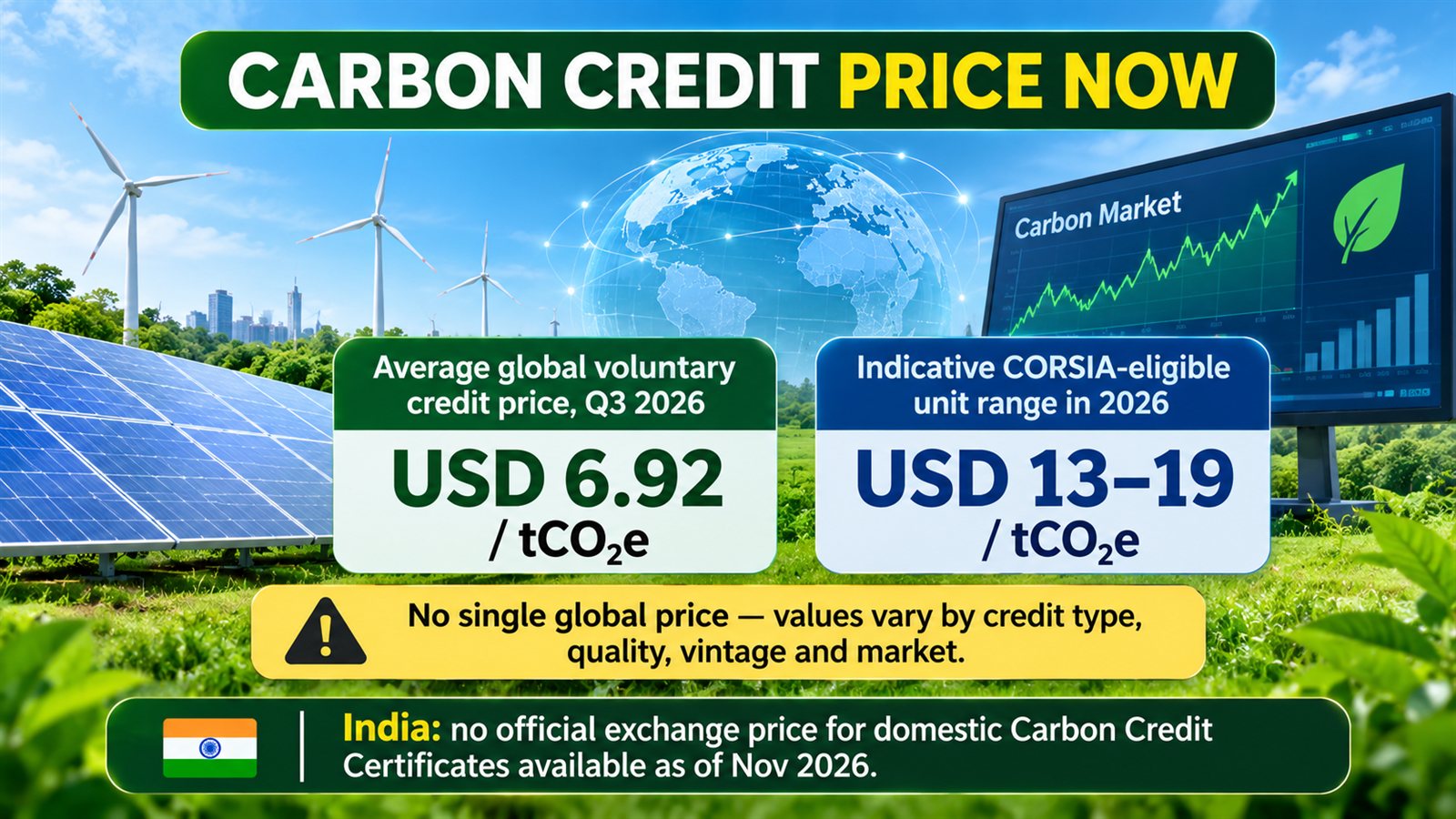
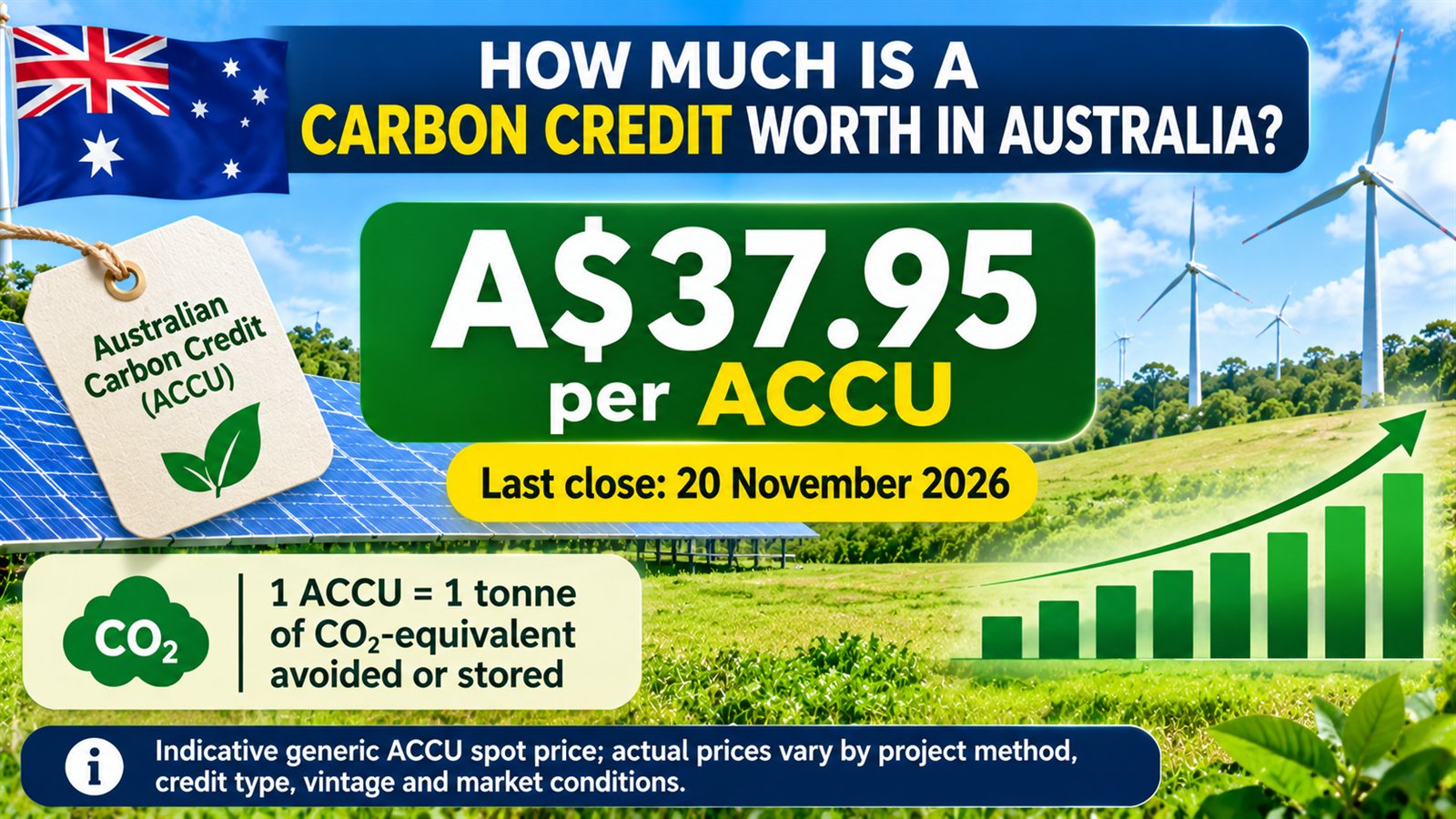
That is why two listings on the same platform can be priced very differently. As a reference point, the average voluntary credit retired in Q3 2026 sold for about USD 6.92 per tonne (Sylvera data). Some durable removal credits sell for well over USD 100. Our guide to the current price of one carbon credit gives dated prices by project type.
What Should Buyers Check Before Choosing a Carbon Credit Marketplace?
- Platform credibility and transparency: ownership, track record and published policies.
- Project documentation: design documents, monitoring and verification reports.
- Registry and serial-number information: each credit traced to the official registry.
- Independent verification by an accredited auditor.
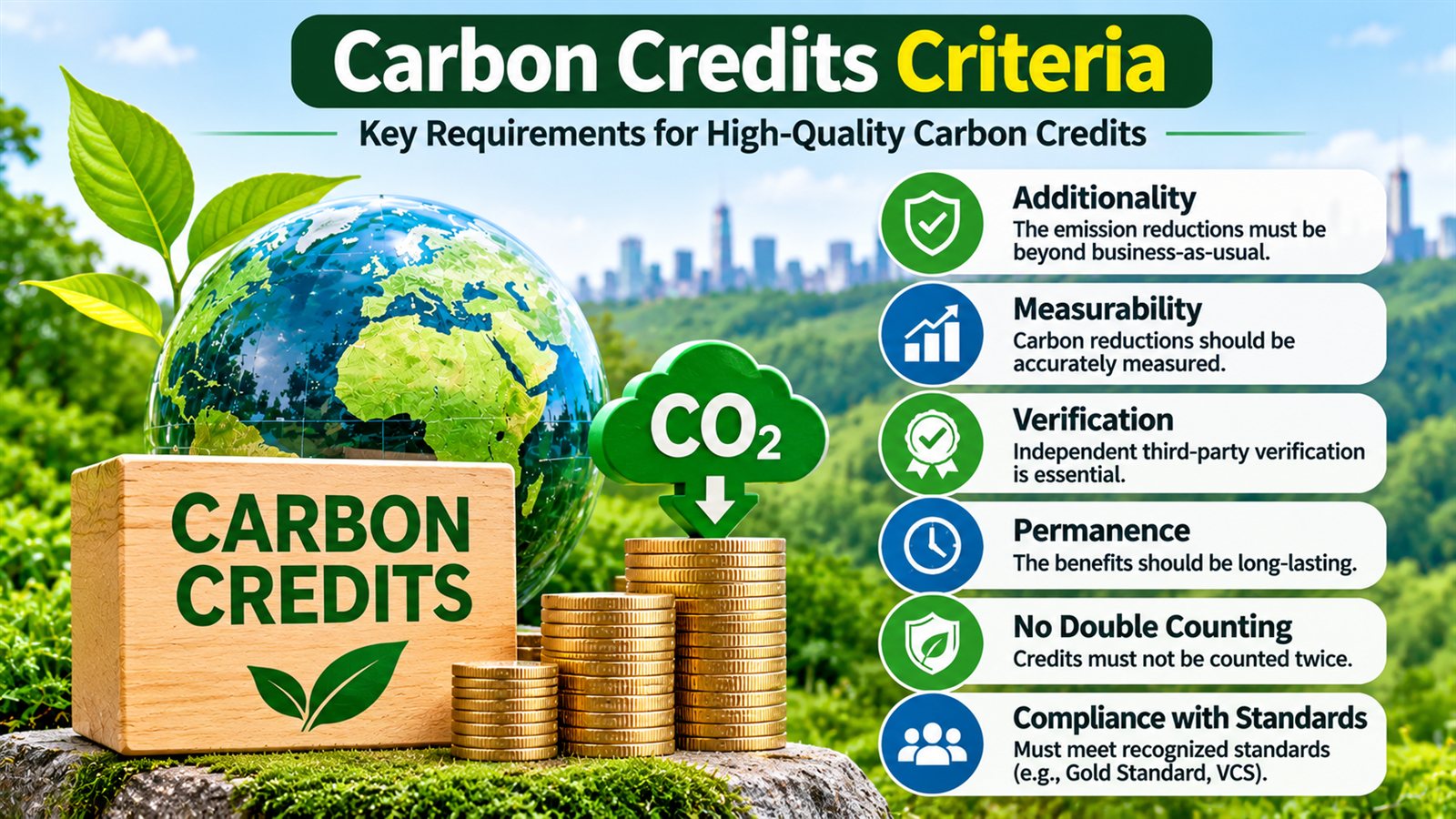
- Additionality: evidence the project needed carbon finance.
- Permanence and leakage risks, especially for nature-based credits.
- Double-counting safeguards, including host-country authorisation where relevant.
- Ownership and transfer rights: whether you receive the credits in your own account or the platform holds them.
- Retirement records: public retirement in your name, with serial numbers.
- Fees and commercial terms: all charges stated upfront.
- Eligibility for your intended use, such as CORSIA or a national scheme.
Listing on a marketplace does not guarantee a credit's quality or eligibility. Buyers remain responsible for their own due diligence.
What Is the Difference Between a Carbon Credit Marketplace and a Carbon Registry?
- A registry is maintained under a programme's rules. It records project information and each credit's issuance, ownership, transfers and retirement, using unique serial numbers.
- A marketplace facilitates discovery and commercial transactions, such as listings, price comparison, payment and sometimes retirement services.
Some platforms integrate registry services, or connect directly to programme registries. Others operate separately and rely on the seller to transfer credits in the registry. Either way, the registry record is the authoritative proof of a credit's status. Our guide to registry management for CORSIA eligible credits explains how registries track units.
What Is the Role of Carbon Credit Marketplaces in CORSIA?
CORSIA, the Carbon Offsetting and Reduction Scheme for International Aviation, is ICAO's global market-based measure for international aviation. Airlines with offsetting requirements must cancel CORSIA eligible emissions units.
- ICAO sets the eligibility rules. The ICAO Council decides which programmes are eligible for each compliance period.
- Airlines must assess their own requirements, through their State's administering authority.
- Units must meet unit-level conditions. For the first phase (2024–2026), these include eligible vintages from 2021 to 2026, host-country authorisation with a corresponding adjustment, and CORSIA labelling in the registry.
Airlines can obtain eligible units directly from developers, through brokers, or through exchanges and platforms that offer listings or contracts for CORSIA-eligible units.
However, ordinary voluntary marketplace credits are not automatically CORSIA eligible, and availability on a marketplace does not establish CORSIA compliance. ICAO does not operate or endorse a particular marketplace. Our guide to CORSIA eligible carbon credits explains the checks.
Benefits of Using a Carbon Credit Marketplace
- Easier access to many projects and sellers in one place
- Price comparison and discovery across listings
- Greater transparency, where platforms publish reliable project and registry information
- Access to different project categories, from forestry to removals
- Simpler buyer-seller connections, especially for smaller buyers
- Transaction documentation and record keeping, such as invoices and retirement certificates
Challenges and Risks of Carbon Credit Marketplaces
- Inconsistent pricing information, since many prices are private or indicative
- Differences in project quality among listed credits
- Greenwashing and misleading claims by sellers or buyers
- Limited liquidity for some credit types and vintages
- Eligibility confusion, such as assuming any credit qualifies for CORSIA
- Counterparty and delivery risks, especially for forward deals
- Double-counting concerns if authorisation or retirement records are unclear
- Unclear fees and transaction terms
Buyers can reduce these risks by checking registry records, using clear contracts and buying from platforms that publish full project and retirement information.
Future of Carbon Credit Marketplaces
Established developments:
- Digital trading infrastructure: exchanges and online platforms already offer standardised contracts and listings.
- Quality labels: the Integrity Council for the Voluntary Carbon Market (ICVCM) is applying its Core Carbon Principles (CCP) label to approved methodologies.
- CORSIA demand: the first phase (2024–2026) has created a distinct market for eligible units.
- Article 6 of the Paris Agreement: rules for authorised international transfers are now operational.
Expectations, not certainties:
- closer registry integration and more transparent data
- growing demand for carbon removal credits
- more regulatory oversight of market integrity and claims
- continued corporate climate commitments, though some companies have scaled back
Frequently Asked Questions
What is a carbon credit marketplace?
A platform or market mechanism that helps buyers and sellers find, compare, buy and sell carbon credits. It facilitates transactions but usually does not issue or verify credits, which programmes and their registries do.
How do carbon credit marketplaces make money?
Business models vary. Common sources include transaction commissions, listing fees, subscriptions, a margin between buying and selling prices, and retirement or advisory services. Check each platform's published terms.
Can individuals buy carbon credits through a marketplace?
Yes, some platforms let individuals buy small quantities and retire them in their name. Check that the credits link to an official registry and that you receive a retirement record.
How can businesses sell carbon credits?
A business first needs issued credits from a registered, verified project. It can then list them on a marketplace, sell through a broker, or negotiate directly with buyers, transferring credits through the registry.
Are carbon credit marketplaces regulated?
Not uniformly. Compliance markets trade on regulated venues, and financial rules may cover some exchanges and derivatives. Many voluntary marketplaces are not regulated as trading venues, so buyers must do their own due diligence.
Is a carbon credit marketplace the same as a carbon exchange?
Not exactly. An exchange is a trading venue with standardised contracts and formal rules. A marketplace is a broader term that includes online listing platforms and other ways of matching buyers and sellers.
Can CORSIA-eligible carbon credits be purchased through online marketplaces?
Yes, some platforms and exchanges offer CORSIA-eligible units. But listing alone does not prove eligibility: buyers must confirm the programme, vintage, host-country authorisation and CORSIA label in the registry.
Conclusion
So, what is a carbon credit marketplace? It is a platform that connects buyers and sellers, supports price discovery and gives access to many different carbon projects. It makes buying and selling easier, but it does not replace the registry or the crediting programme.
Buyers must still independently assess credit quality, registry records and eligibility for their intended purpose, whether that is a voluntary claim or CORSIA compliance.
Our guide on how carbon credits are earned explains where marketplace credits come from. To learn more about CORSIA carbon credits and carbon markets, explore the resources at CORSIA Carbon Credit.
Sources
- ICAO – CORSIA Eligible Emissions Units
- World Bank – State and Trends of Carbon Pricing
- Verra – Verra Registry
- Gold Standard – Impact Registry
- International Emissions Trading Association (IETA)
- ICVCM – Core Carbon Principles
- VCMI – Claims Code of Practice
- UNFCCC – Article 6 of the Paris Agreement
- Central Electricity Regulatory Commission, India
- Carbon credit price tracker – Sylvera data (reviewed 5 October 2026)